NATO has selected Thales to supply a deployable tactical air navigation system for the Spanish Air and Space Force.
The contract, awarded through the NATO Support and Procurement Agency (NSPA), covers the delivery of Thales’ Deployable Tactical Air Navigation (D-TACAN) system along with an integrated logistics support package that includes spare parts, training, technical documentation, and maintenance support.
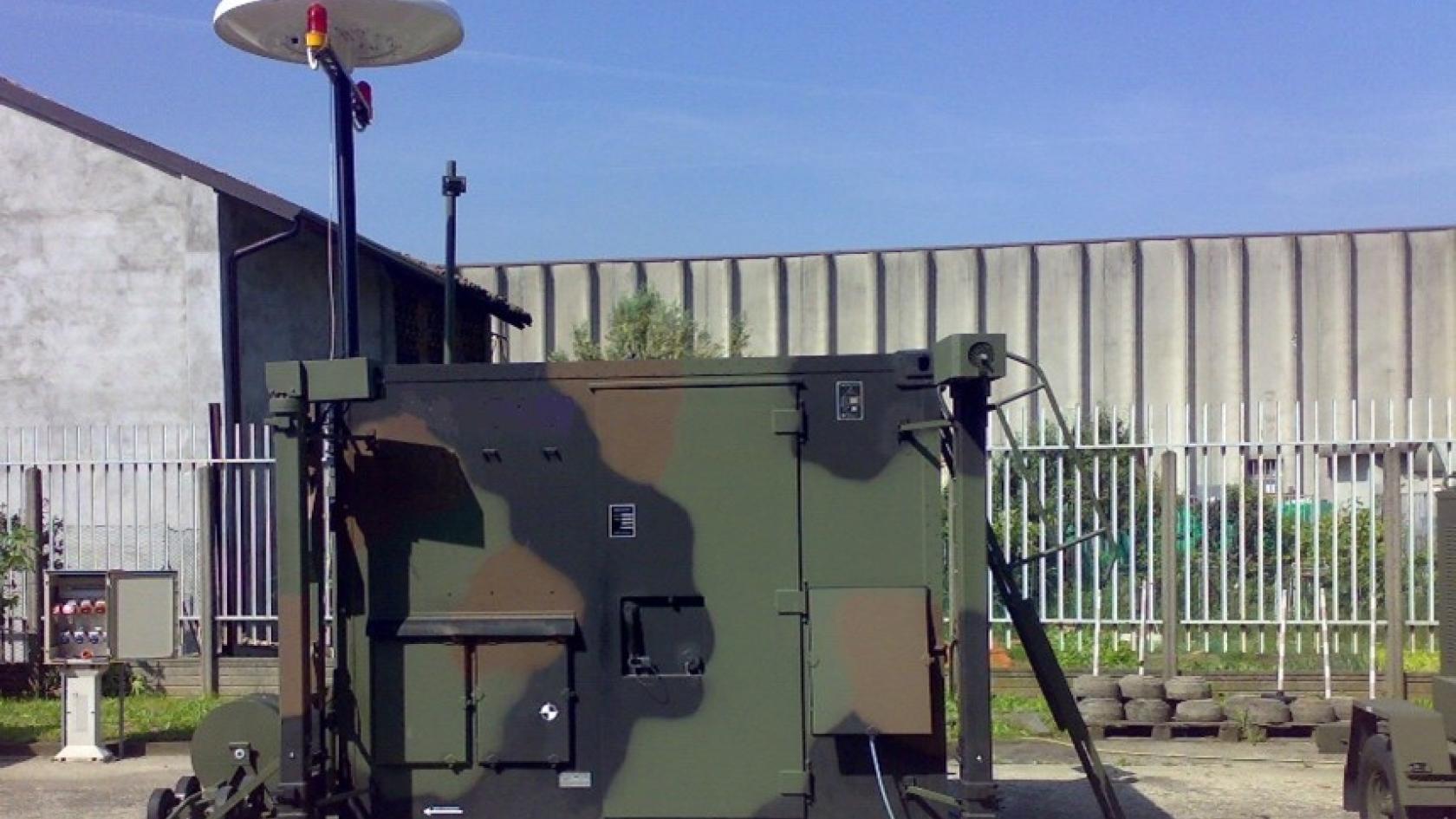
The D-TACAN system is based on Thales’ Ground Based TACAN 553 technology and is designed to provide resilient navigation for military aircraft when Global Navigation Satellite System signals are unavailable or disrupted by jamming.
The system is housed in a 20-foot (6-meter) shelter and designed for continuous operations, incorporating its own power generation, uninterruptible power supply, and communications equipment.
Manufacturing will take place at Thales’ facility in Gorgonzola, Italy, while Thales in Spain will handle system integration, maintenance, and lifecycle support.
“Through this contract, NSPA is enabling the Spanish Air & Space Force to rapidly acquire a critical air navigation capability while benefiting from the agency’s proven procurement and technical expertise,” NSPA program manager Juan Tarazona said.
NSPA Contracts Expand NATO Capabilities
The NATO Support and Procurement Agency has accelerated multinational defense procurements over the past two years, awarding contracts across air defense, munitions, and military communications.
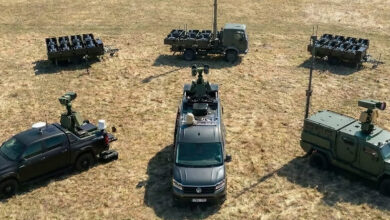
In July, it established framework agreements with five suppliers of deployable counter-drone systems, allowing member states to procure integrated command-and-control, sensor, electronic warfare, and interceptor capabilities through pre-approved contracts.
The agency also awarded Diehl Defence a framework agreement for Vulcano 155mm guided artillery ammunition under NATO’s Ammunition Support Partnership, with deliveries scheduled to begin in 2027.
During the same month, NATO selected Saab’s GlobalEye as its future airborne early warning and control aircraft, launching formal acquisition talks for up to 10 systems to replace the alliance’s aging AWACS fleet and strengthen long-range surveillance and situational awareness capabilities.