
Lithuanian companies have allegedly supplied Starlink terminals, drone engines, and other dual-use equipment to Russia, even after European sanctions took effect, according to a joint investigation by Latvia-based The Insider and Lithuanian investigative outlet Siena.
These shipments reportedly used intermediary companies, relied on false customs declarations, and employed other sanctions-evasion techniques to deliver goods to Russian buyers.
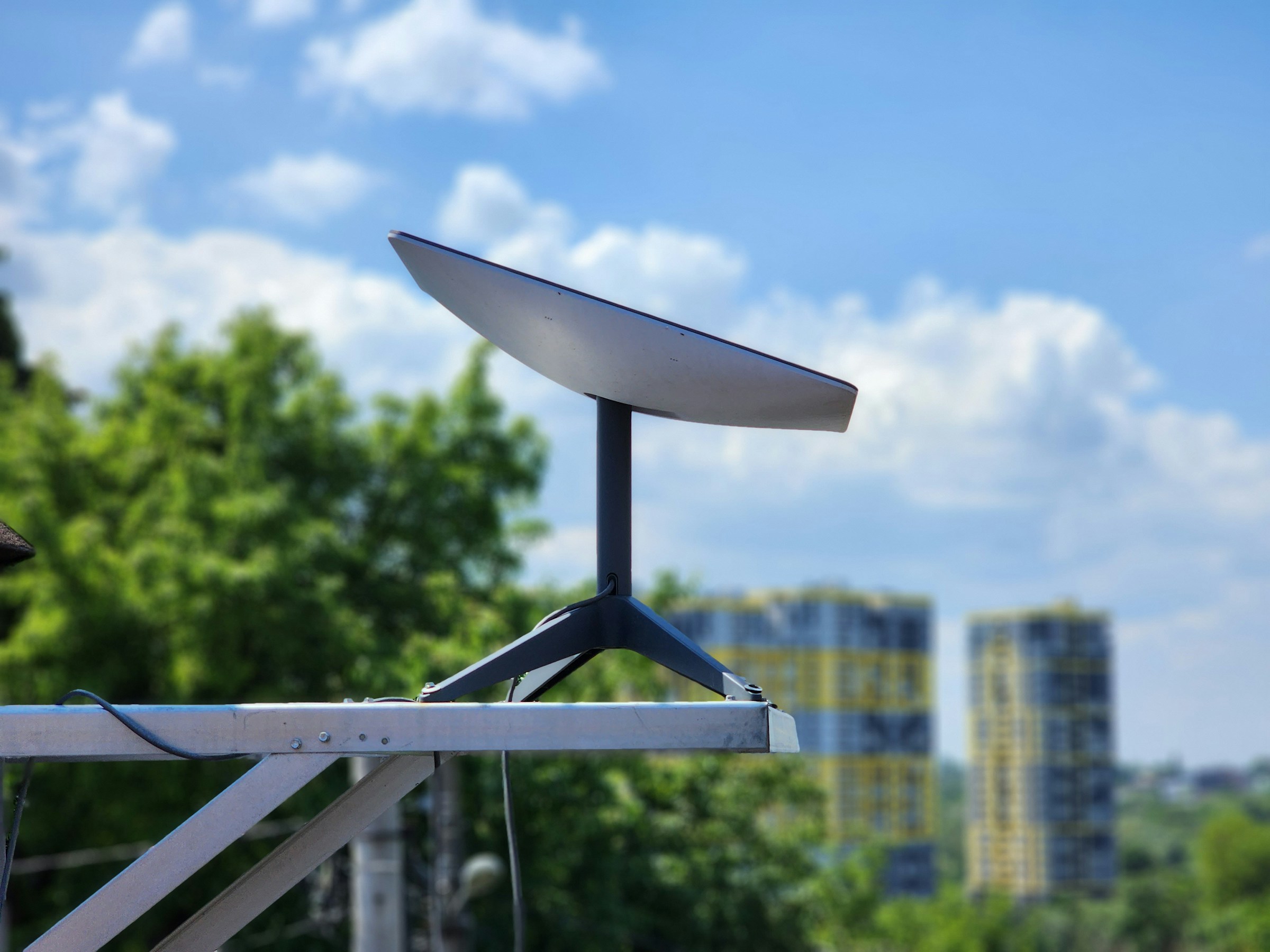
Investigators who reviewed customs records found that Lithuanian company UAB Eseka continued exporting Starlink terminals, cables, and spare parts to Russia.
To circumvent stricter controls, the company routed shipments through Latvia, considered to have less restrictive border checks, and misdeclared cargo as ceramic tiles to avoid heightened customs scrutiny before entering Russia.
Starlink satellite internet terminals have been used during the conflict by both Ukrainian and Russian forces.
Russia cannot officially purchase the terminals under existing export restrictions, leading to the use of sanctions-evasion networks, according to the investigation.
Moreover, the investigation alleged that UAB Eseka supplied 124 Japanese-made O.S. Engines worth about $65,000, and described in customs documents as engines for recreational radio-controlled model aircraft.
According to the report, similar engines have been used by Russian forces in domestically produced drones.
Customs records also showed exports of industrial sensors, aerosol particle counters, automation components, semi-trailers, and truck bodies.
Several are considered dual-use technologies, capable of supporting both civilian applications and defense or military-industrial activities.
Sanctions Evasion Network
According to the investigation, many shipments reached Moscow via intermediaries in Asia.
Customs declarations identified firms in Kazakhstan, Kyrgyzstan, and Tajikistan as buyers, while Russian customs records reportedly listed Russian companies as the final recipients.
Some transactions also involved Hong Kong-based IPM Limited, a company sanctioned by the US.
The alleged scheme reflects a broader pattern of sanctions-evasion networks used to acquire restricted technologies for Russia.
A recent investigation by The New York Times found that Russian procurement networks increasingly rely on intermediary countries to source controlled goods from overseas markets.
The newspaper identified Japan as one of the key sources of advanced manufacturing components, reporting that a unit of Russia’s military intelligence agency has established procurement networks in Tokyo that channel shipments through Vietnam, China, Sri Lanka, and Uzbekistan before they reach Russia.