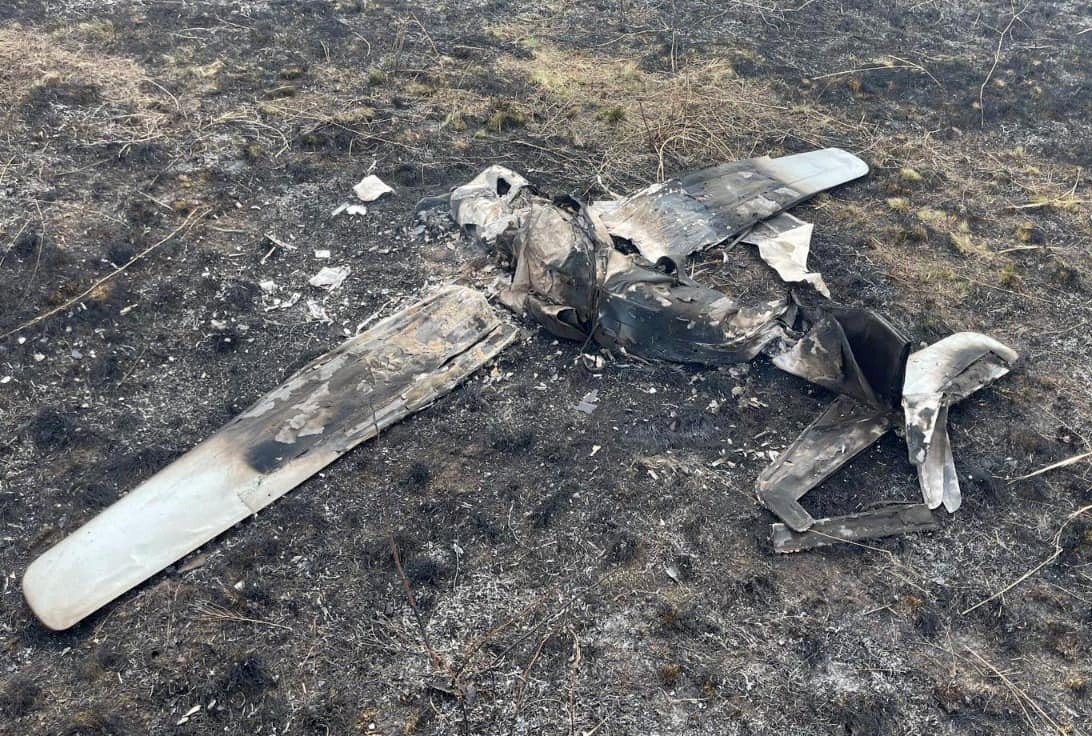
Japan has emerged as a key hub in Russia’s efforts to obtain military technologies despite Western sanctions.
According to an investigation by The New York Times, Tokyo’s advanced manufacturing industry and relatively weak counterespionage framework have made it an attractive base for Russian intelligence operations.
Drawing on confidential government documents, corporate records, and interviews with Western intelligence officials, the newspaper found that a previously undisclosed unit of Russia’s military intelligence agency, the GRU, has established procurement networks in Japan.
The unit, known as the 20th Directorate, allegedly acquires dual-use technologies for Russia’s defense industry.
These include semiconductors, transmitters, precision machine tools, and other electronic components that can be used in advanced weapons systems.
Ukrainian government estimates cited by the news outlet suggested that around 90 percent of Russian missiles and drones contain Japanese-made components.
Kyiv has repeatedly shared evidence with Tokyo, including lists of recovered parts manufactured by companies such as Nippon Electric Corporation, Panasonic, and Toshiba.
Procurement Networks, Export Loopholes
According to the investigation, there is no indication that Japanese manufacturers knowingly exported the components to Russia.
Instead, products are believed to have reached the country through intermediary nations and complex supply chains that bypass export controls.
At the center of the network, according to Western intelligence officials cited by The New York Times, is Maksim Filchenkov, a GRU officer operating in Tokyo under the cover of Russia’s state airline, Aeroflot.
Officials said his role is to build commercial relationships, identify suppliers, and coordinate shipments through intermediary countries that continue trading with Moscow.
Using Aeroflot as an intelligence cover is not new. The US newspaper reported that GRU officers have used airline postings since the Soviet era to acquire Western technology.
Rather than shipping restricted goods directly to Russia, the network allegedly routes them through countries including Vietnam, China, Sri Lanka, and Uzbekistan.
From there, products are re-exported to Russia.
The investigation also examines Proco Air, a Japanese logistics company and Aeroflot commercial partner, which arranges cargo shipments through intermediary countries before they continue to Russia.
A shipping document reviewed by The New York Times showed Proco Air arranged a shipment of medical equipment to R-Pharm, a Moscow pharmaceutical company whose founder has close ties to the Kremlin, via Sri Lanka.