
Virginia firm Tyto Athene has secured a $51-million US Air Force contract to sustain the service’s global voice communications infrastructure over the next five years.
The contract covers the Cyber Transport Systems program, which provides the core voice infrastructure used across the Department of the Air Force, supporting day-to-day operations as well as mission-critical command and control.
Under the deal, Tyto will support the enterprise communications network, including Avaya Unified Communications systems, session border controllers, media gateways, and other voice technologies used across the service.
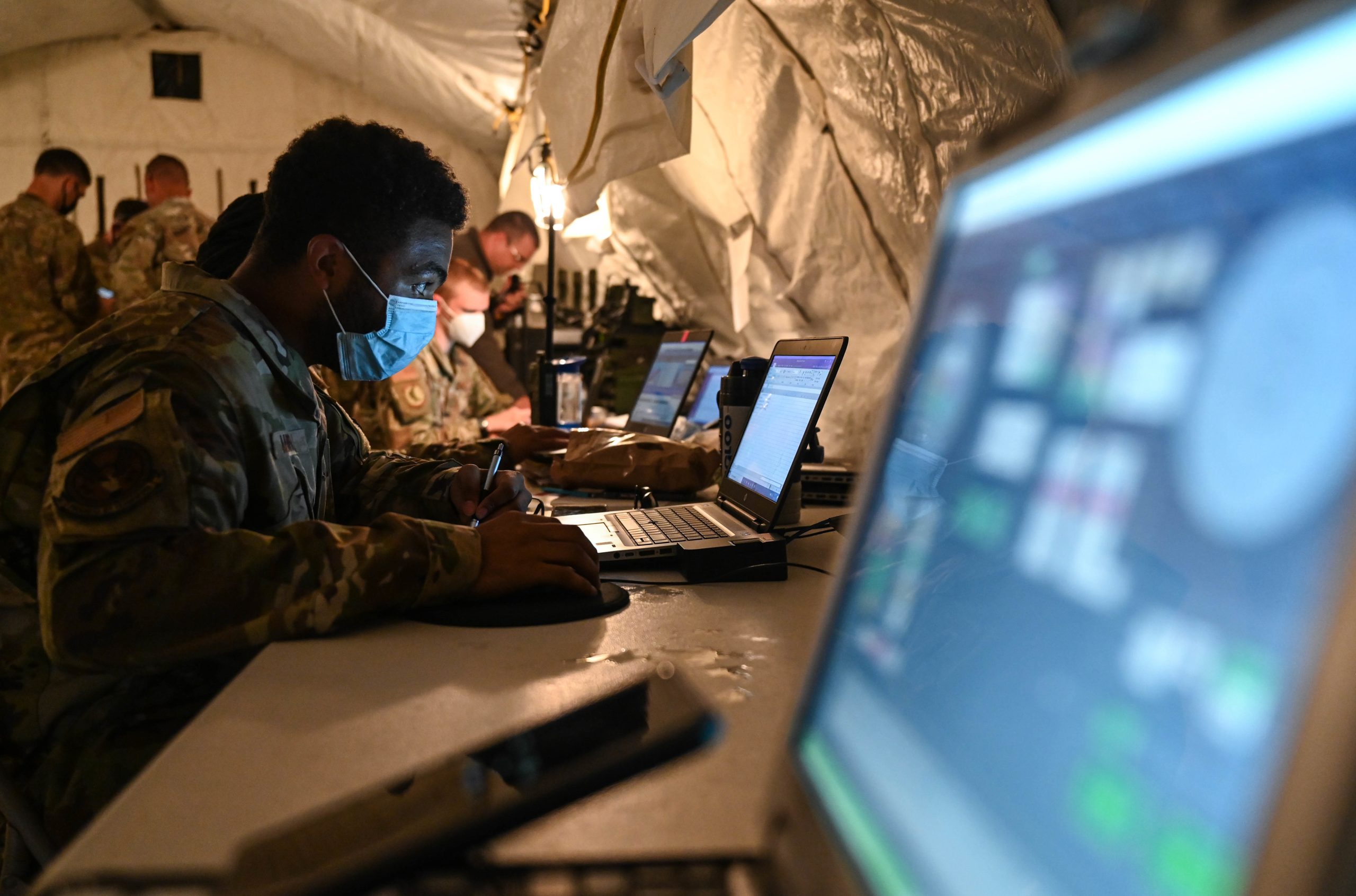
The deal includes around-the-clock network monitoring, maintenance, and technical support to help ensure secure and reliable communications for operational and command functions.
Work will be managed from Tyto’s Virginia-based Network Operations Center and support more than 385,000 active voice lines across 103 military installations worldwide.
“As a leading industry partner, we empower mission forces to maintain secure connectivity whenever and wherever operations demand — ensuring continuity of command, coordination, and execution across a global operational environment,” Tyto CEO Dennis Kelly said.
Strengthening US Defense Communications
The US has awarded several contracts in recent years to modernize and sustain communications infrastructure across the military.
In June, it released its Post-Quantum Cryptography Strategy, outlining plans to transition defense networks and systems to quantum-resistant encryption, with high-impact systems targeted by 2030 and department-wide implementation by 2031.
The same month, the Defense Advanced Research Projects Agency launched the Leveraging Universal Codecs program to develop adaptive encoding and decoding technologies that improve the resilience of military data transmissions.
In May, the US Space Force awarded SpaceX a $2.29-billion contract to build a secure satellite communications network linking military sensors, weapons, and command systems.
Earlier, in March, the US Navy also expanded production of secure communications hardware from Mobix Labs to strengthen network connectivity across its surface fleet in contested environments.