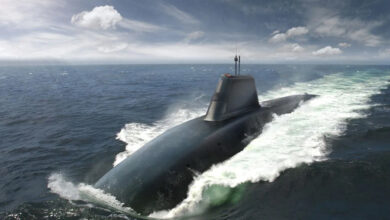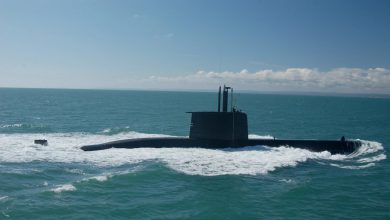

The Royal Navy is set to improve submarine availability by reducing maintenance time with QinetiQ’s additive manufacturing technology.
QinetiQ has deployed its Additive Manufacturing All In One solution and Market Access Cell at HM Naval Base Clyde, enabling engineers to 3D-print submarine components on-site.
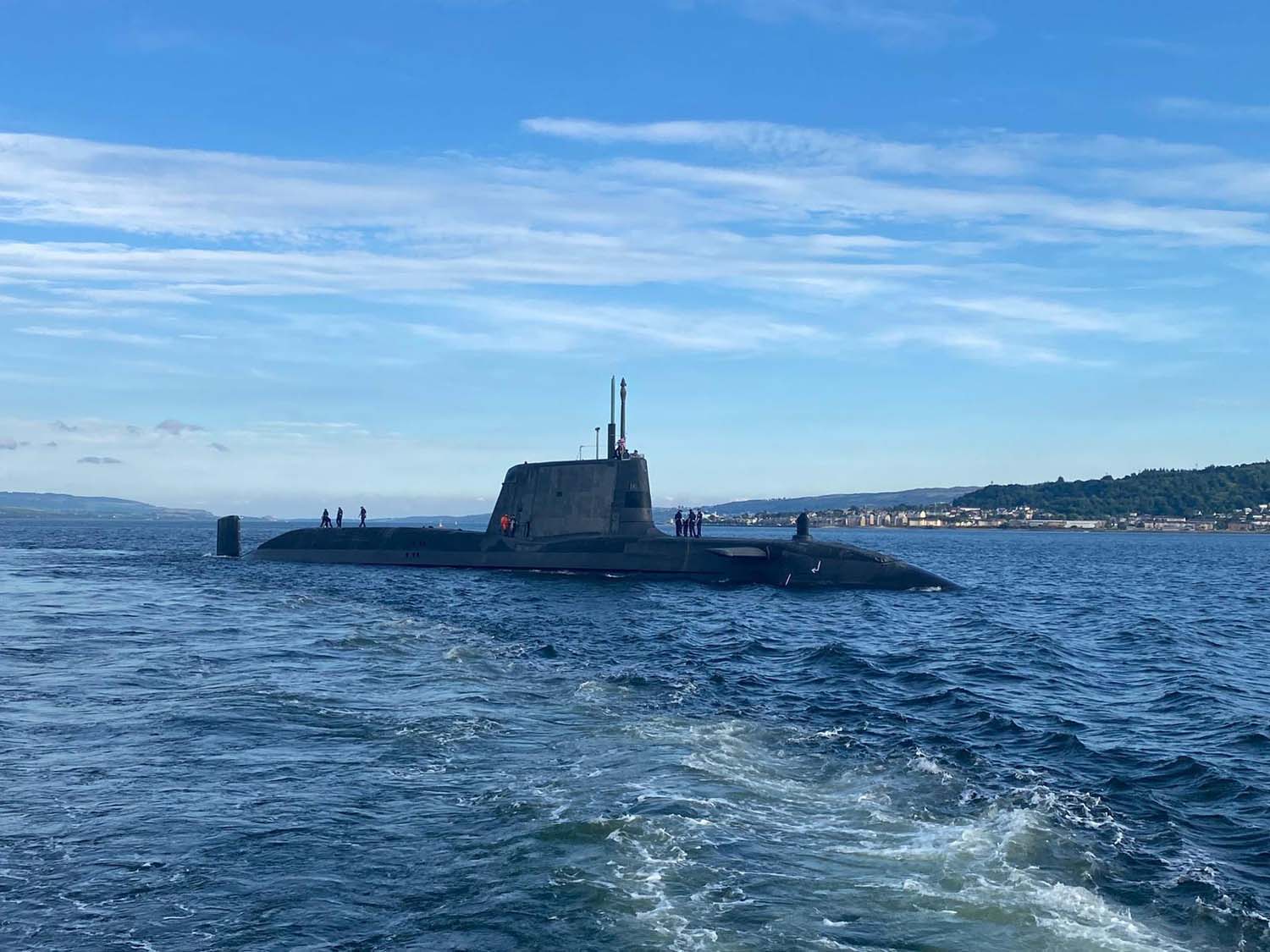
It follows QinetiQ’s support for the routine maintenance of the nuclear-powered submarine HMS Anson earlier this year, where the company designed and delivered replacement components in just four weeks — significantly faster than normal supply chain lead times.
“Our proven expertise in additive manufacturing combined with the latest technology being installed at HM Naval Base Clyde will see us print, scan and reverse engineer submarine parts on demand, at pace and at dockside, helping to get submarines back on operations more quickly,” said Will Blamey, Chief Executive of UK Defence at QinetiQ.
Defense 3D Printing
The UK has been supporting additive manufacturing for defense applications, especially in aerospace.
In April, Rolls-Royce opened an additive manufacturing line in Bristol, backed by UK Ministry of Defence funding, to produce critical components for next-generation aircraft engines.
In February, QinetiQ collaborated with Lancashire-based Additive Manufacturing Solutions to 3D-print aircraft parts created from recycled titanium, demonstrating the method’s high material efficiency and lower carbon emissions.
It follows a similar effort conducted in early 2025, where parts from retired Royal Air Force Tornado jets were recycled and then 3D-printed into new components for the country’s next-generation military aircraft.