US Transfers Four Triton Autonomous Vessels to Philippine Navy

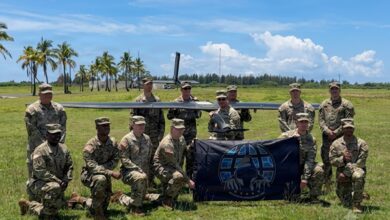
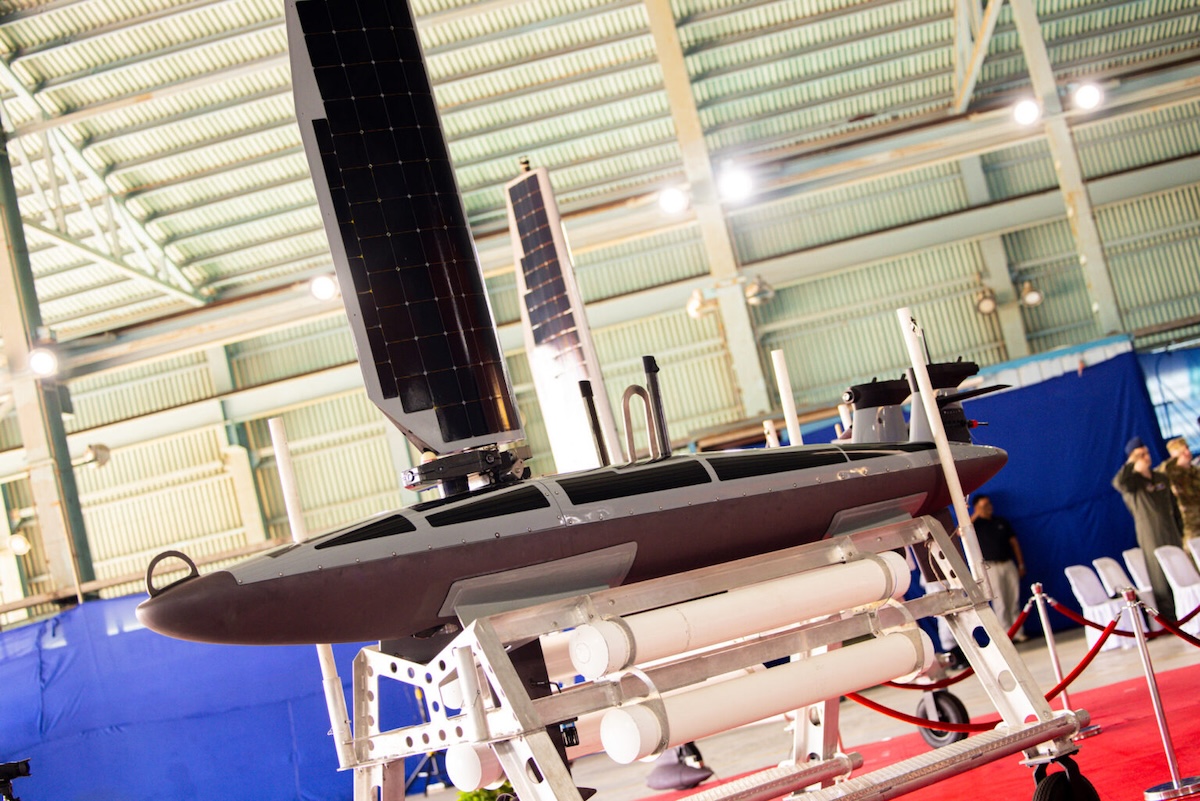
The US has handed over four Triton autonomous underwater and surface vehicles (AUSVs), valued at approximately 754 million pesos ($13 million), to the Philippines as part of a security assistance initiative.
The AUSVs are built to monitor maritime challenges in the Indo-Pacific, such as “illegal fishing, gray zone activities, and threats to freedom of navigation,” said US Embassy Chargé d’Affaires ad interim Bridgette Walker during the turnover ceremony at the Naval Operating Base Subic.
The Tritons will join the Mantas T-12 USVs, already in service with the Philippine Navy, which the US also supplied under a foreign military financing scheme.
According to the US Embassy in the Philippines’ press release, the handover demonstrates Washington’s commitment to the US-Philippines alliance and to a free and open Indo-Pacific.
The latest US-funded assistance also comes amid heightened tensions in the region, particularly in the South China Sea, where Philippine and Chinese vessels have been involved in a series of confrontations over disputed maritime features.
Triton AUSV
Mississippi-based Ocean Aero made the Triton, calling it the “world’s first and only” AUSV.
The American-made uncrewed system can be quickly deployed or retrieved from a ship using a davit or from a ramp using a wheeled launch cart, requiring only one or two people.
It can collect data above and below the ocean’s surface through a resilient mesh network.
Running on solar and wind power, the surface vessel can sail autonomously for up to 30 days at speeds of up to 5 knots (9 kilometers/6 miles per hour).
For underwater missions, it can submerge for more than five days at a time at speeds of 2 knots (4 kilometers/2 miles per hour).
The payload-agnostic AUSV was also designed to avoid detection through its stealth-gray color scheme paired with a low radar and visual signature.