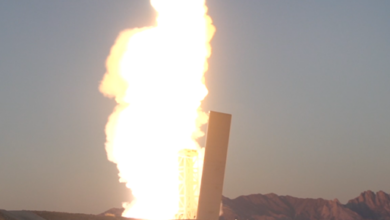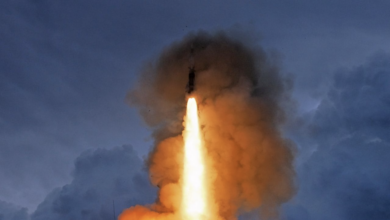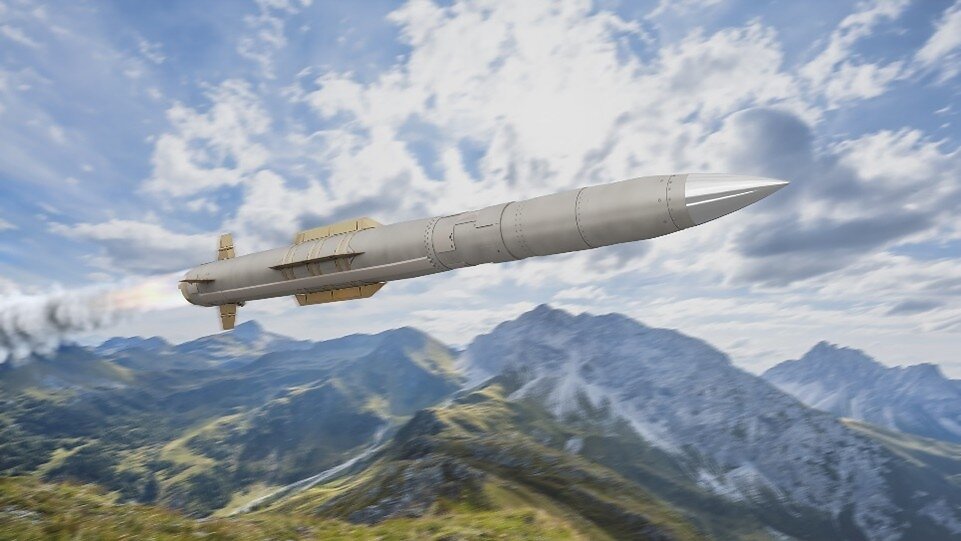

Lockheed Martin has unveiled a lower-cost PAC-3 interceptor variant as militaries seek more affordable ways to counter mass-produced aerial threats.
Called the PAC-3 Adapted Capability Effector (ACE), the interceptor is expected to cost less than half as much as the roughly $4-million PAC-3 Missile Segment Enhancement (MSE).
Lockheed Martin said the interceptor is intended to support a faster development, testing, and deployment cycle.
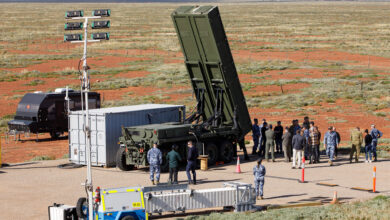
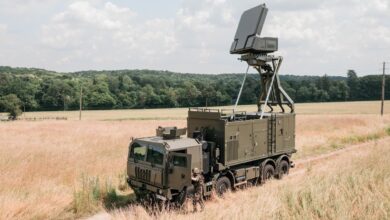
Built on the proven PAC-3 fire-control system and fully integrated with the MIM-104 Patriot system and the Integrated Battle Command System, the interceptor is designed to counter air-breathing threats, cruise missiles, and close- and short-range ballistic missiles.
Lockheed Martin has also proposed joint development and production with American and European industry partners to improve interoperability among allied forces.
To Address Growing Mismatch
The announcement at the 2026 Farnborough Airshow comes as Operation Epic Fury has heightened concerns over US interceptor inventories and underscored the growing mismatch between expensive interceptors and mass-produced, lower-cost aerial threats.
US Navy officials acknowledged last year that the service had expended multimillion-dollar interceptors to destroy Houthi drones costing only a few thousand dollars.
“American and allied warfighters need a solution that is battle-tested and budget-smart, and PAC-3 ACE delivers exactly that by building on the unrivaled performance of the PAC-3 MSE,” Lockheed Martin Missiles and Fire Control President Tim Cahill said.
“As we look to partner with our allies, we can further enhance resiliency and ensure our forces can swiftly counter emerging threats today and tomorrow.”
PAC-3, PAC-3 MSE
Featuring an active Ka-band radar seeker, the PAC-3 marked a major advance over the PAC-2/GEM-T by replacing the earlier interceptor’s blast-fragmentation warhead with hit-to-kill technology, improving lethality and reducing the risk of collateral debris.
Designed primarily to counter tactical ballistic missiles, the interceptor combines precision guidance, an active radar seeker, and advanced guidance software to improve the probability of intercept against fast, maneuvering targets.
The latest PAC-3 MSE variant adds a larger dual-pulse rocket motor and refined control surfaces, extending engagement range and intercept altitude while improving effectiveness against low-radar-cross-section targets, countermeasures, and steeply descending missiles.