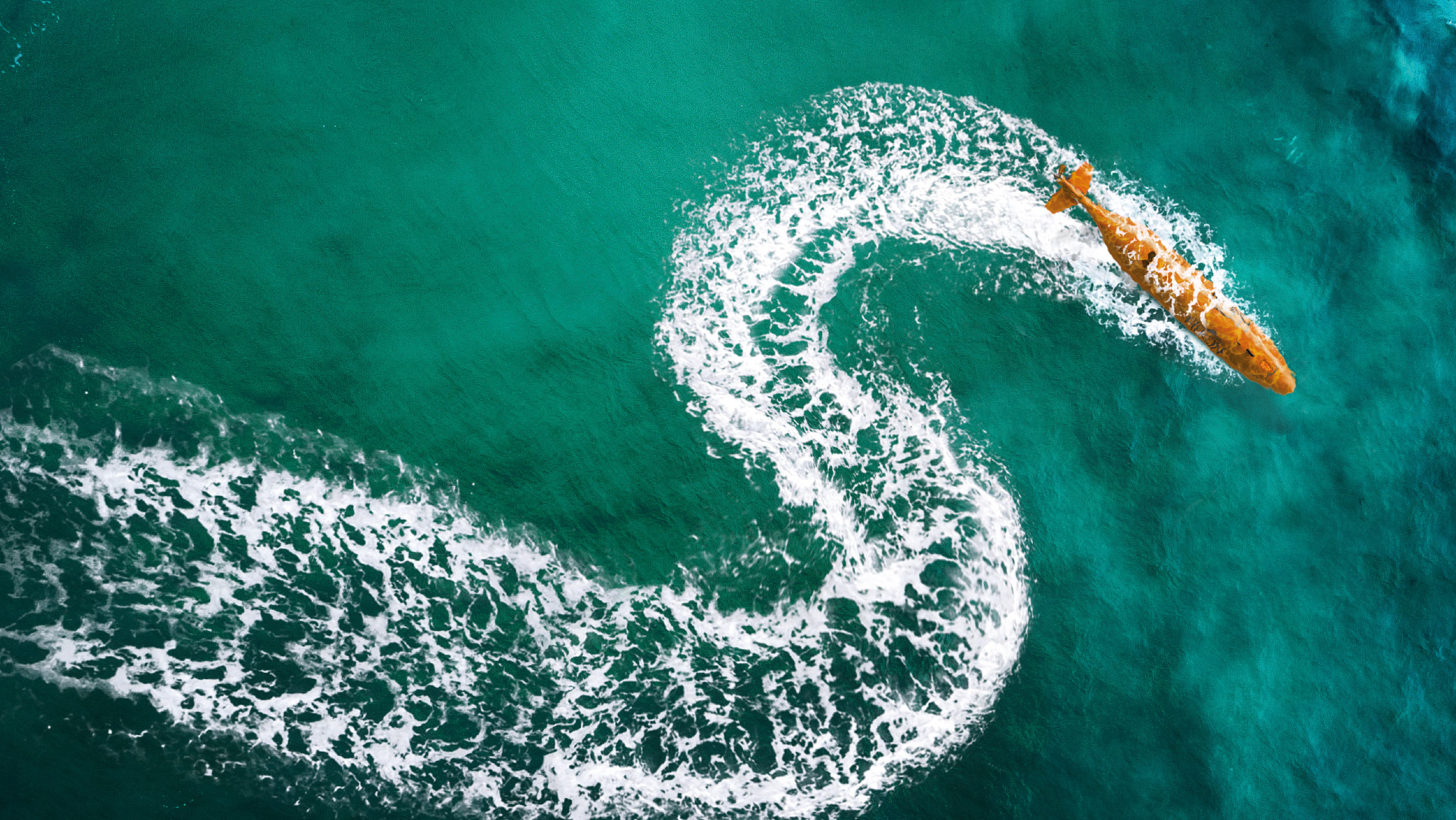
The US Department of Defense has selected Kongsberg and Oceaneering to develop an extra large uncrewed undersea vehicle (XLUUV) for future US Navy missions.
Chosen through the Defense Innovation Unit’s Combat Autonomous Maritime Platform (CAMP) program, the two companies will work on the concept definition, system architecture, and design of the new XLUUV.
Their work will focus on modularity, interoperability, and rapid integration, with the design expected to be delivered in the third quarter of 2026.
CAMP is intended to accelerate the transition of mature commercial and defense technologies into operational naval capabilities.
Kongsberg will bring its experience in maritime and undersea systems to the project, while Oceaneering will contribute its expertise in subsea robotics, remote and autonomous missions, and lifecycle support.
“Our experience delivering and sustaining subsea systems globally, combined with Kongsberg’s advanced undersea technologies, has resulted in a highly capable, world-class team ready to work,” Oceaneering senior vice president Bill Merz said.
US Boosts Uncrewed Maritime Programs
The CAMP program is part of a broader US push to develop autonomous and defensive capabilities for undersea and maritime operations.
In May, Canada’s Cellula Robotics and US defense technology firm Metron signed a 10-year agreement to jointly deliver autonomous undersea systems for the US military.
In February, the US Navy selected Ultra Maritime to develop the next-generation ADC MK6 acoustic countermeasure against torpedoes.
The developments follow the service’s January announcement that it would operationalize its first medium unmanned surface vessels, with Seahawk and Sea Hunter joining fleet control.