
Factorial Energy and Tulip Tech have formed a partnership to commercialize solid-state and lithium-metal batteries for unmanned aerial vehicles (UAVs).
Massachusetts-based Factorial develops solid-state and lithium-metal battery technologies that store more energy than conventional lithium-ion cells of comparable weight.
Dutch firm Tulip Tech specializes in designing and producing customized battery packs for UAVs used in defense, security, industrial, and commercial applications.
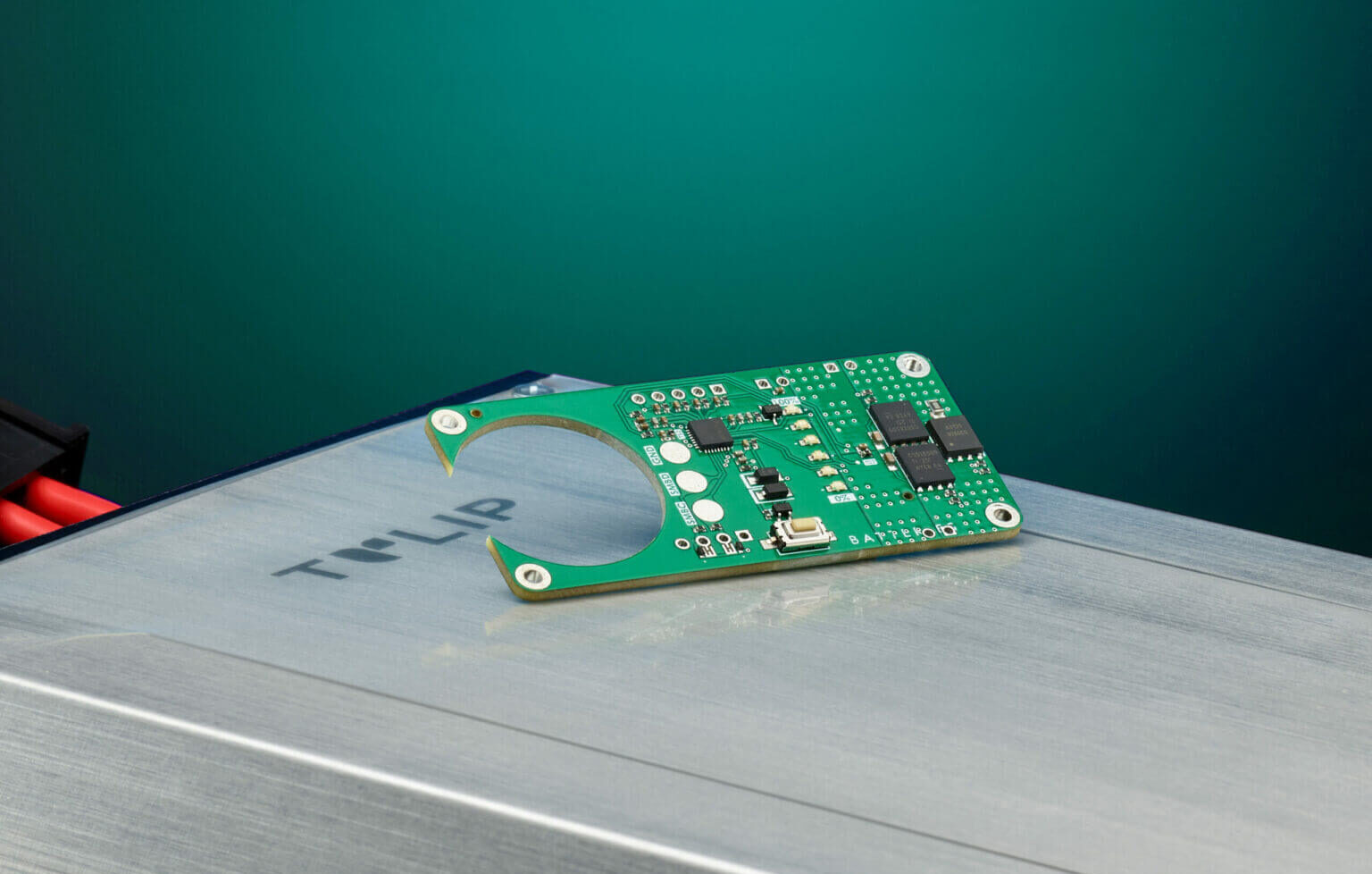
Under the agreement, Factorial will supply advanced battery cells, while Tulip Tech will integrate them into UAV battery packs tailored to specific aircraft and mission requirements.
The companies will also work jointly with customers and develop a pathway toward higher-volume production.
Initial testing showed a range increase of more than 30 percent using Factorial cells integrated into a Tulip battery system.
Further engineering work will focus on adapting the technology to individual aircraft, safety requirements, and operational profiles.
Pushing UAV Performance
The partnership targets one of the main technical limitations of electric drones: battery capacity.
Because batteries account for a significant share of a drone’s weight, increasing the amount of stored energy without increasing the aircraft’s weight is critical to extending flight performance.
Batteries with higher energy density can enable drones to fly longer distances, remain airborne for extended periods, or carry heavier sensors, communications equipment, and other mission payloads without increasing overall weight.
As unmanned aircraft take on longer-range and more complex missions across the defense, industrial, and commercial sectors, energy storage has become one of the main factors limiting their operational range and endurance.
Industry forecasts project the global UAV market to exceed $160 billion by 2034, driven by growing demand for longer-endurance platforms, which in turn increases the need for higher-performance battery technologies.